
At Computex 2024, Arm CEO Rene Haas unveils the company’s vision to empower over 100 billion AI-ready devices, from cloud to edge, by 2025.
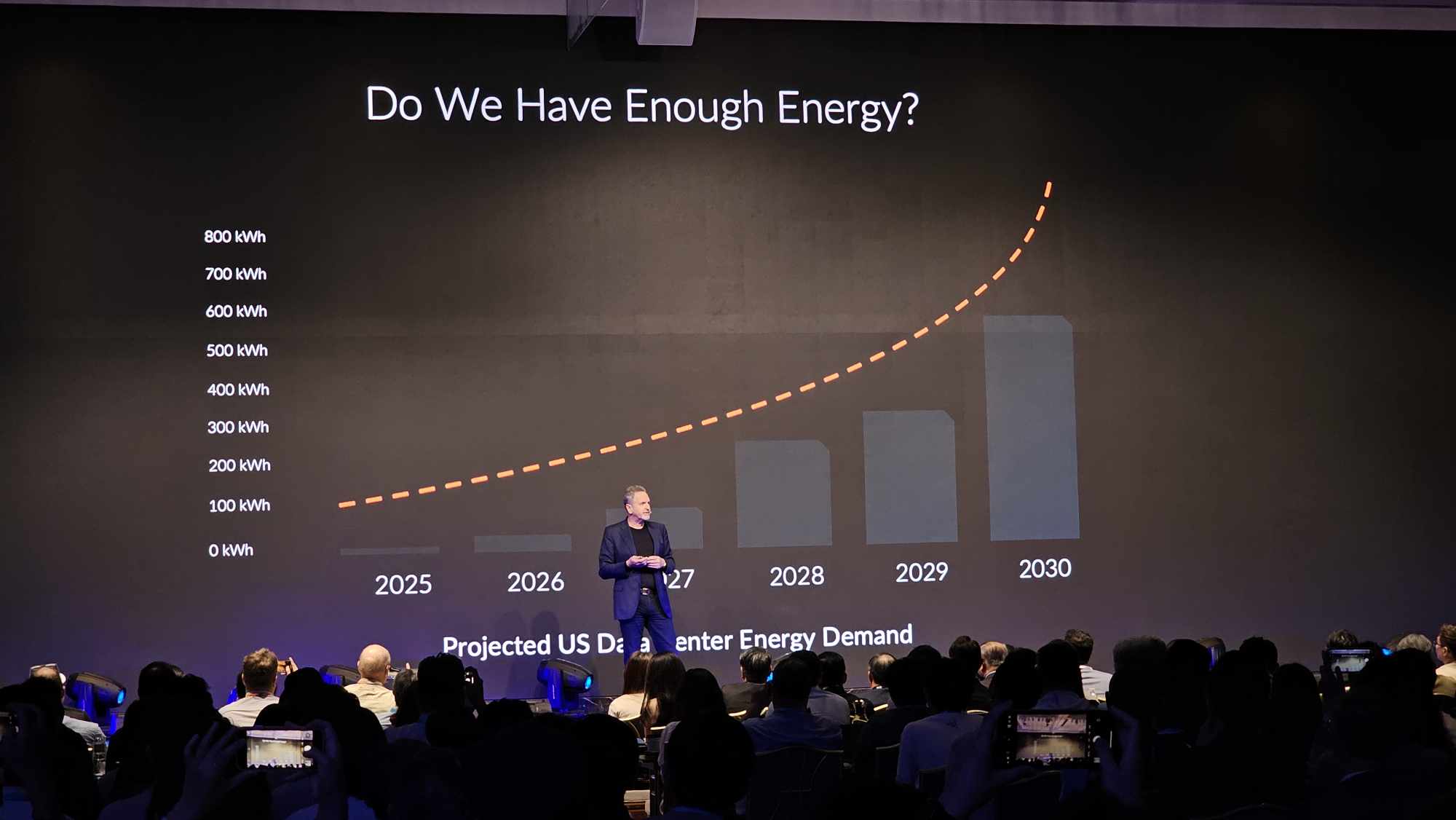
Do we have enough energy for AI?
One of the key questions Haas addressed was whether the world has enough energy to meet the increasing computational demands of AI. While there has been remarkable innovation in AI, the industry faces a dilemma: as processors improve to meet AI performance requirements, their energy demands also rise.
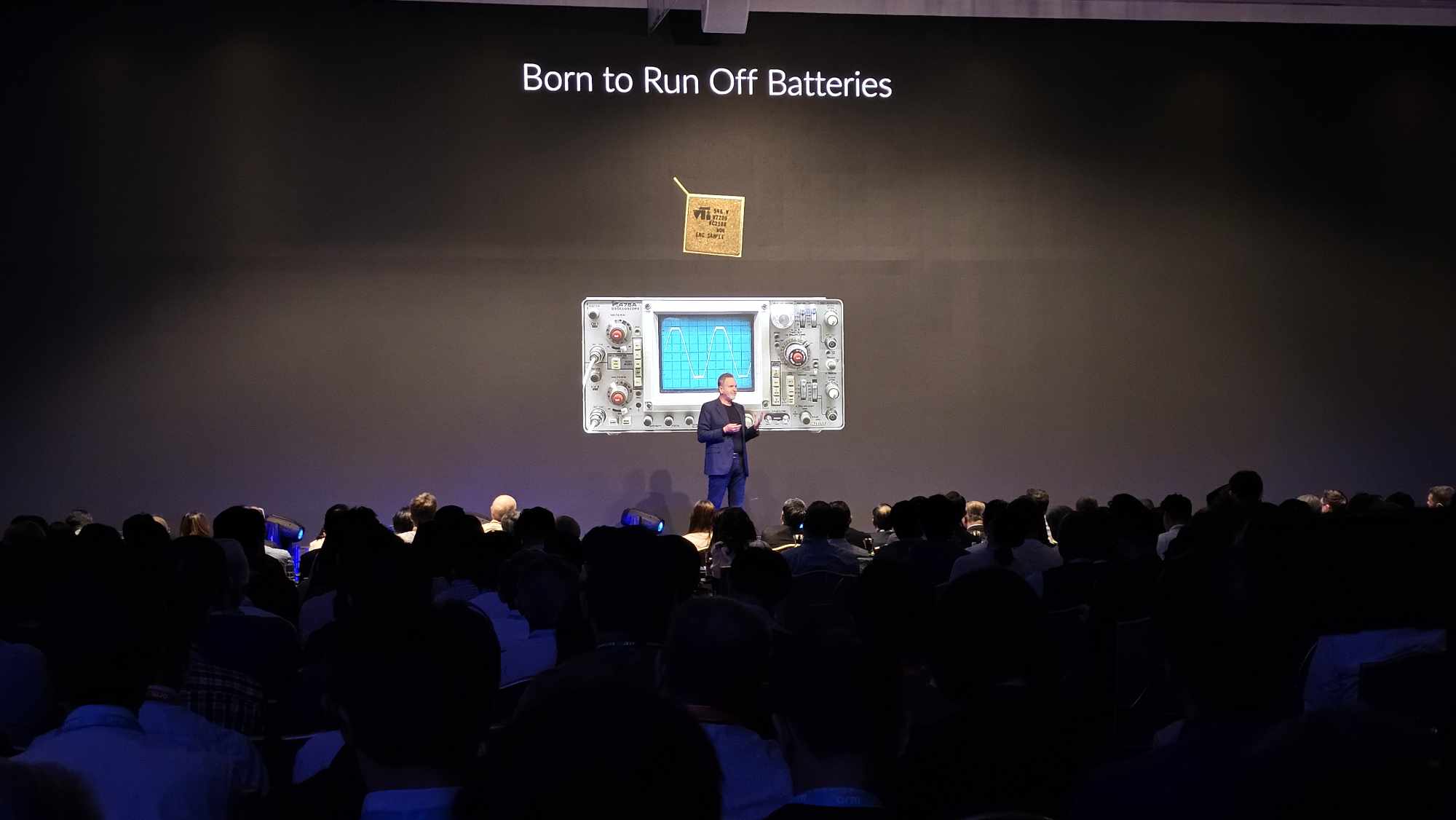
Haas highlighted that Arm’s DNA, rooted in designing battery-powered devices, is why leading cloud service providers like AWS, Google, and Microsoft are increasingly adopting Arm technology. He emphasized that Arm is the world’s most power-efficient CPU, and the energy savings it provides are already fueling significant AI advancements.
It’s all about the software
Leading power efficiency has been Arm’s hallmark throughout its 30+ year history, forming the foundation that has enabled it to become the world’s most pervasive compute platform. However, according to Haas, what truly sets Arm apart is its unparalleled software ecosystem.
As Haas pointed out, Arm has become the de-facto choice for every major operating system in the world. The AI PCs recently announced by Microsoft are a great example of this, where the most-used apps are now running natively on Windows on Arm. In fact, with an ecosystem of 18 million software developers, more developers design on Arm CPUs than any other processor today.
This developer support is incredibly important if we want to experience the societal changes AI can unleash from the tiniest devices at the edge to training and inference in the cloud. Developers need to be able to take the innovation they are doing with AI and have it run on the hardware in a performant, power-optimized, highly executable and predictable state.
To ensure this happens on the Arm compute platform, Haas introduced Arm Kleidi AI, a new suite of AI compute libraries that make it easier for developers to run their AI applications on Arm. Haas said, “If there’s anything we’ve learned over Arm’s 30-plus years, as great as the hardware is, if you don’t have something that developers can get access to, the hardware is not going to do you much good.”
For example, as developers work on their models in frameworks such as TensorFlow, PyTorch, Llama 3 and MediaPipe, Kleidi AI enables them to go into the abstraction layer and take advantage of the underlying hardware features for AI workloads to achieve their full performance potential.
To speak to the advantages of KleidiAI from an ecosystem perspective, Haas shared videos of executives from Samsung Mobile, Meta and Google on how Arm and KleidiAI will enable them to accelerate AI innovation on Arm across multiple markets.
Arm Compute Subsystems for Client
In addition to all the great work Arm is doing to enable the AI developer ecosystem, it needs to continue to deliver higher-performing and more power-efficient products. To share more on this, Chris Bergey, SVP and GM for Arm’s Client Line of Business, took the stage to talk about the recently announced Arm Compute Subsystems (CSS) for client devices.
This is the first time that Arm has introduced physical implementations of its CPUs and GPUs in leading edge 3 nanometer nodes. According to Bergey, this is important because the Arm ecosystem can now take proven cores, physical implementations in these leading 3 nanometer nodes and get to market faster with greater confidence.
CSS enables chipmakers to focus on their differentiation around the platform and what Armv9 architecture can bring to their next-generation products. When you combine this with KIeidiAI, developers have the tools required to take full advantage of these next-generation hardware technologies.
Haas closed by further reinforcing Arm’s commitment to AI by delivering the most complete compute platforms on the planet. With innovations like Arm CSS and KleidiAI, he expects that more than 100 billion Arm devices will be ready for AI by the end of 2025. It’s an incredible number of devices that Haas said will not only reshape the industry but also the entire planet.
 Tech Smashing News
Leave a comment